
Know your skin. Care with purpose.
Thoughtful guidance for skin, scalp and hair. Explore skin types, daily care, ingredients and the science behind skincare through clear, practical educational guides.
Explore the Journal The Meraki Derma Journal
Better questions. Clearer answers.
Understanding your skin and hair starts with reliable information. The Journal brings together practical routines, ingredient explainers and educational guides designed to make skincare easier to understand.
Explore the topics that matter to you, from recognising different skin types to understanding the role of the skin barrier and caring for the scalp.
Explore by topic
Choose an area of interest to focus on the relevant educational guides.

Every skin has its own needs.
Skin types are commonly described as normal, dry, oily and combination. Understanding the pattern that best describes your skin can help you choose products and textures that suit its needs.
- Oily SkinCommon signs include visible shine and a tendency toward excess surface oil.
- Dry SkinSkin may feel tight, rough or flaky and benefit from a suitable moisturiser.
- Combination SkinDifferent areas of the face may have different oil levels and needs.
- Normal and Sensitive SkinSkin can be generally balanced yet still react to certain products or conditions.
Skin type is not the same as a diagnosis. Persistent irritation, severe redness or painful symptoms may require assessment by a qualified professional.
Recognising how your skin behaves is the first step toward choosing a routine that is thoughtful, simple and suited to its needs.
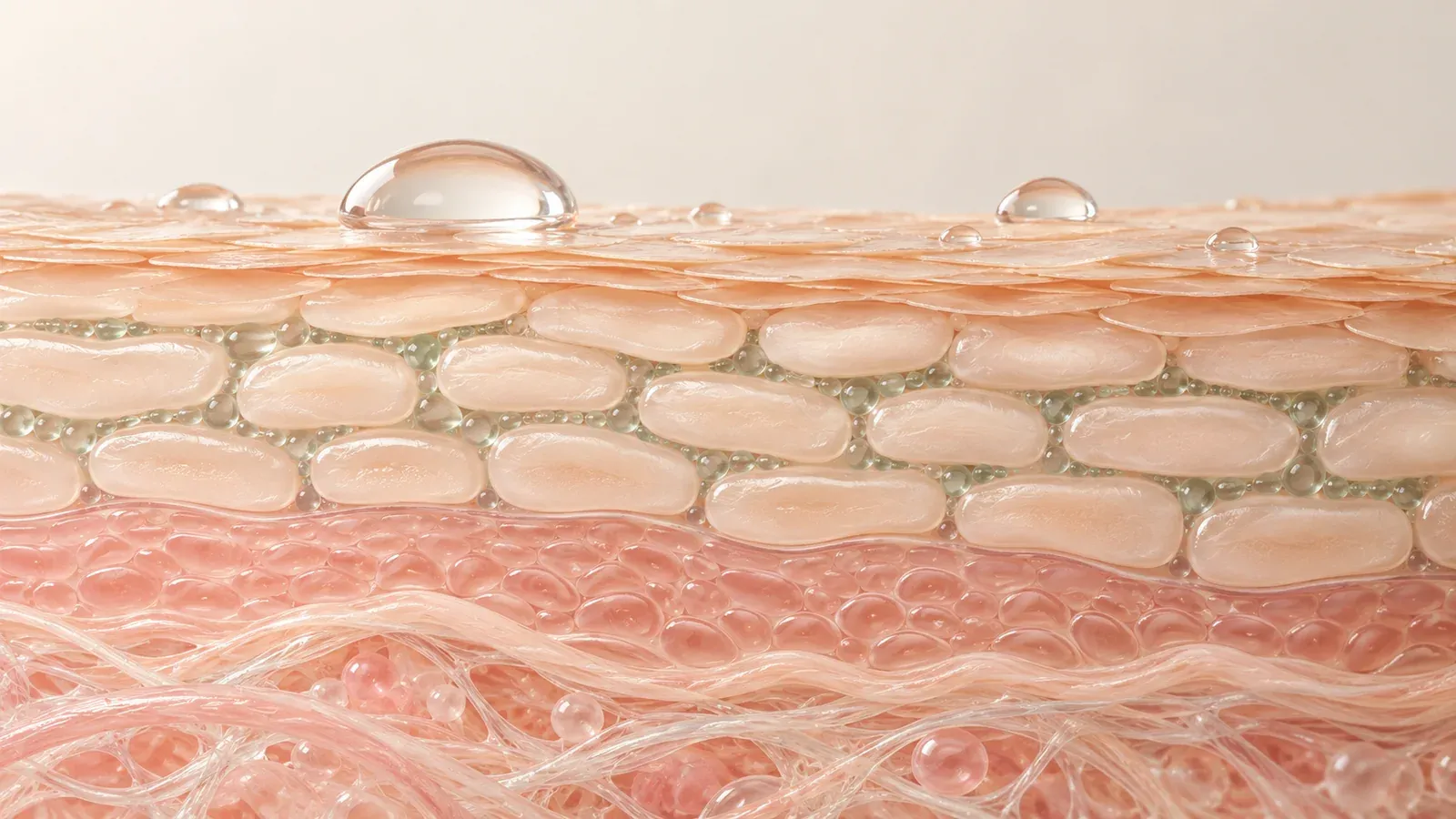
The skin barrier: small details matter.
The outermost layer of the skin helps limit water loss and provides a protective interface with the environment. Cleansing habits, weather and product choices can all affect how comfortable the skin feels.
- What the Barrier DoesIt helps maintain hydration and provides part of the skin’s protective function.
- Signs of DiscomfortTightness, dryness, flaking or stinging can have several possible causes.
- Supportive Daily HabitsGentle cleansing, suitable moisturising and avoiding excessive exfoliation can help.
Skin symptoms can overlap with dermatological conditions. Persistent or worsening irritation should not automatically be attributed to a damaged barrier.
A consistent routine built around gentle cleansing, suitable moisturising and sun protection can provide a useful foundation before adding other products.
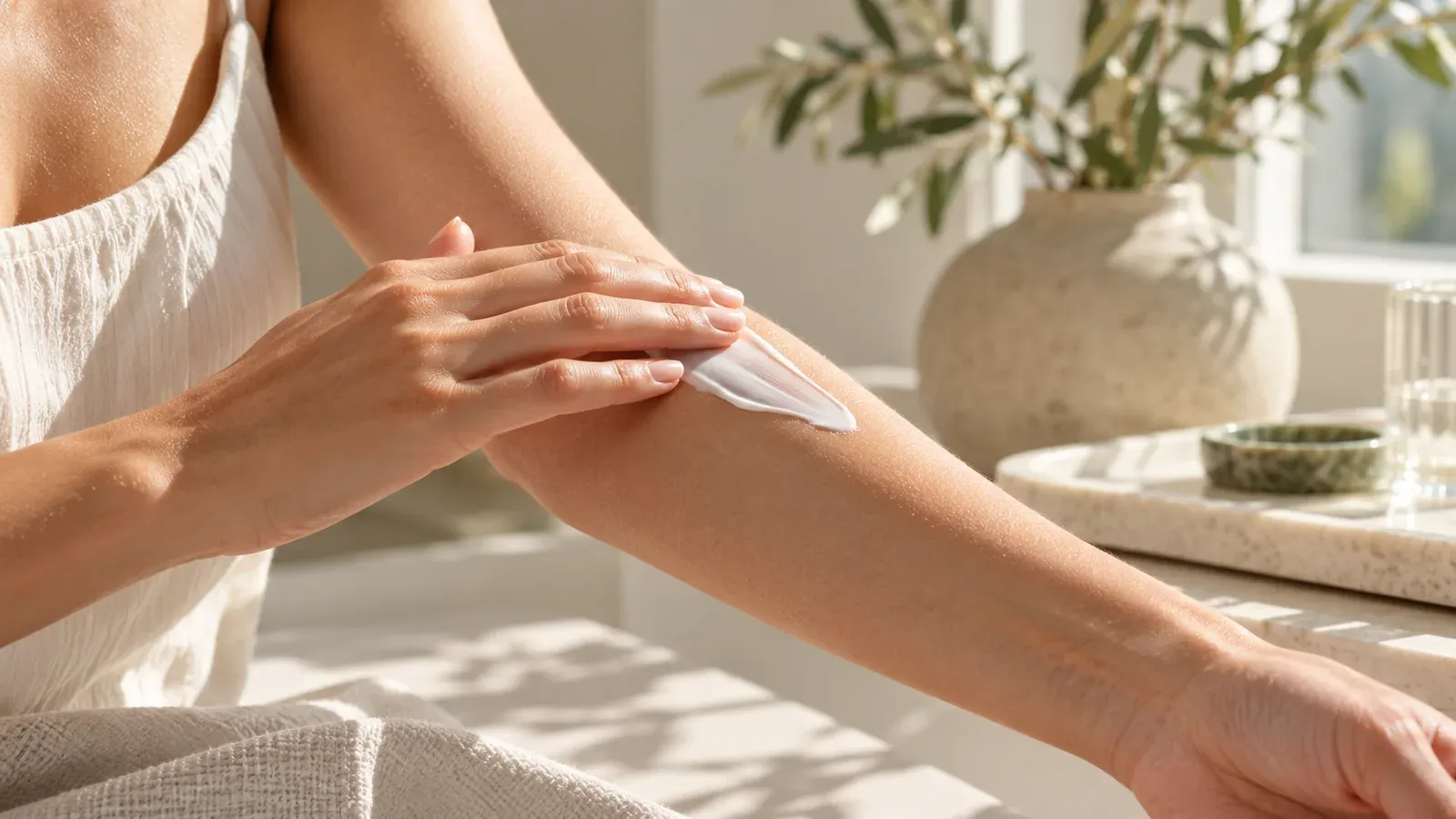
A routine that works with your day.
A practical routine does not need many steps. Start with the basics, choose products that suit your skin and add other products only when there is a clear reason to use them.
- AMMorning CareConsider gentle cleansing when needed, moisturising and broad-spectrum sun protection.
- PMEvening CareRemove sunscreen and makeup, cleanse gently and apply suitable skincare products.
- +Introduce Products GraduallyAdd one new product at a time so you can better notice any unwanted reaction.
The best routine depends on individual skin needs, tolerance, the products used and any advice from a healthcare professional.
Your everyday routine should support your life, not complicate it. Begin with the essentials and make changes gradually as your needs become clearer.
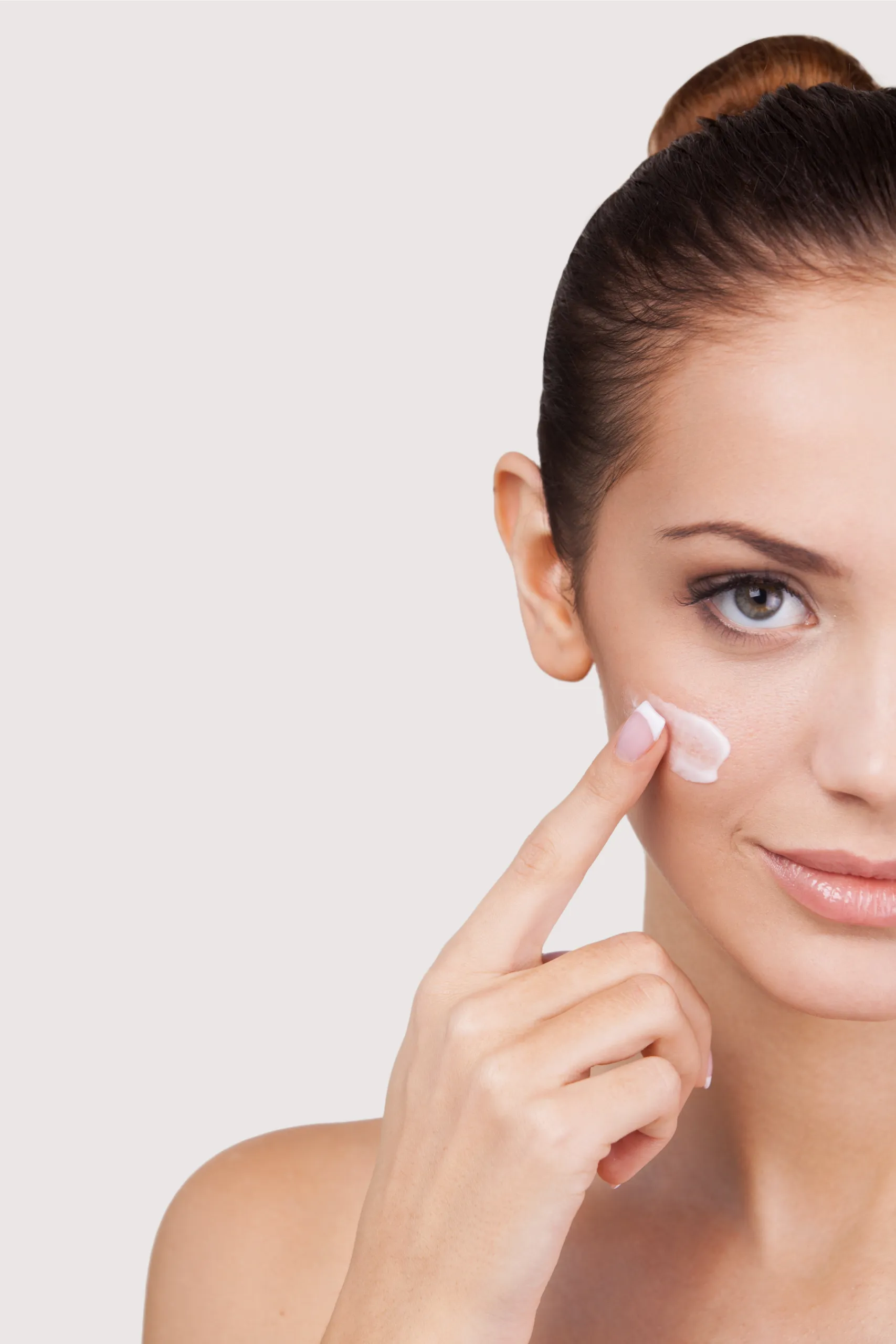
Moisturising is more than choosing a texture.
Moisturisers vary in texture and formulation. Some ingredients attract water, some help soften the skin and others help reduce moisture loss. The finished formula determines how these components work together.
- HumectantsIngredients such as glycerin and hyaluronic acid help attract and retain water.
- EmollientsHelp soften the feel of the skin and improve the feel of dry or rough areas.
- Occlusive ComponentsCertain ingredients form a layer that can help reduce water loss from the skin.
A light texture is not automatically better for oily skin, just as a rich texture is not automatically better for dry skin. Consider comfort, formulation and individual response.
Understanding ingredients is useful, but their role, concentration, compatibility and the finished formula all help shape a cosmetic product.
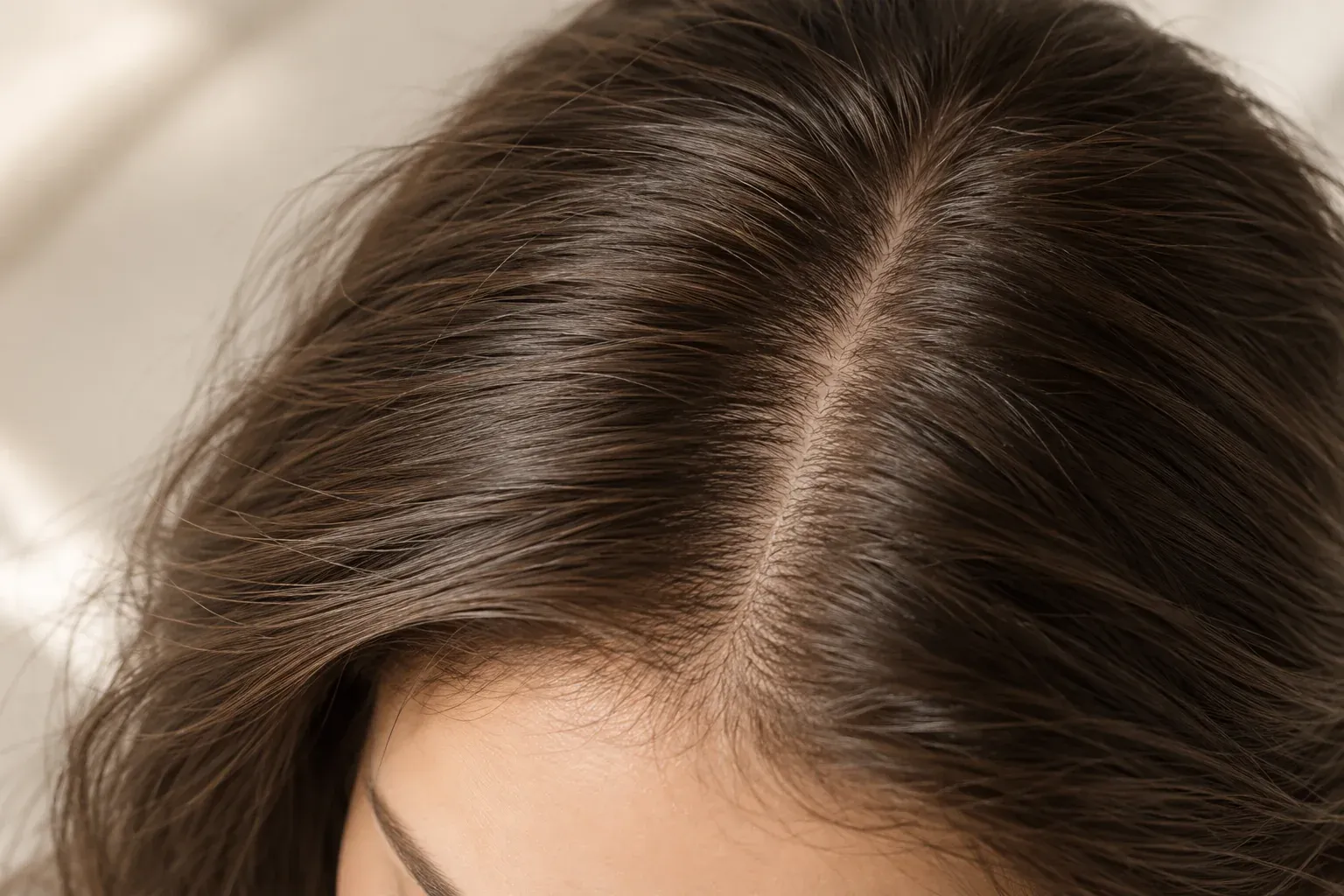
Healthy hair begins with understanding the scalp.
Hair and scalp needs vary from person to person. Cleansing habits, styling practices, scalp comfort and the condition of the hair fibre all play different roles in a hair-care routine.
- Scalp CareChoose a cleansing routine that suits your scalp and avoid practices that repeatedly cause irritation.
- Shedding vs. BreakageHair shedding from the root differs from strands breaking along their length.
- When to Seek AdviceSudden, patchy or persistent hair loss, especially with scalp symptoms, deserves professional assessment.
Hair shedding has many possible causes, and cosmetic products cannot be assumed to address every underlying reason for hair loss.
Changes in the scalp, shedding and hair breakage can have different causes. Careful observation helps you decide what information or support to seek.
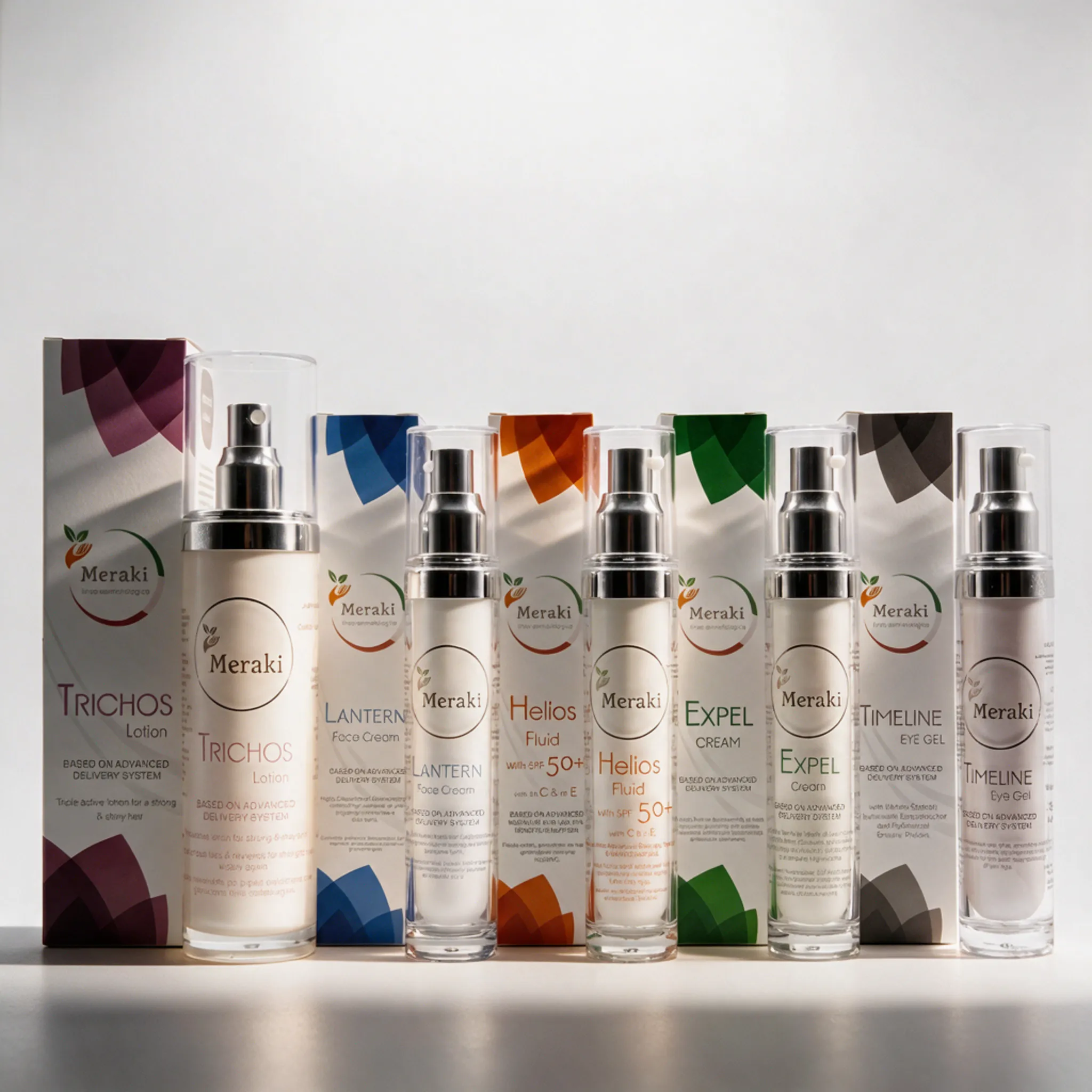
Beyond the ingredient. Consider the formula.
A cosmetic product is more than a list of familiar ingredients. Its texture, stability, compatibility, packaging and conditions of use all matter to the finished product.
- Ingredient SelectionEach component has a role in the overall formulation and should be considered in context.
- Stability and CompatibilityA formula must be evaluated for appropriate quality characteristics over its intended life.
- Understanding Product ClaimsThe evidence behind a claim matters; laboratory observations and consumer outcomes are not identical.
Product-specific details should always be considered alongside the approved product information and the evidence available for the finished formulation.
Explore Meraki Derma productsA little more to understand.
These related topics form the next layer of the Journal, from ingredient literacy to practical routines for different skin and scalp needs.
Normal, Dry, Oily and Combination Skin
Learn how these common descriptions differ and why skin can change with climate, age and routine.
Understanding Sunscreen Labels
Explore SPF, broad-spectrum protection, application and reapplication.
Reading an INCI Ingredient List
Understand the purpose and limits of ingredient lists when comparing cosmetic formulations.
Why Skin Can Feel Tight After Cleansing
Explore possible causes of discomfort and why stronger cleansing is not always better.
Choosing a Hair-Care Routine
Consider scalp needs, cleansing frequency, hair length and styling habits.
Texture, Stability and the Finished Product
Understand why the quality of a cosmetic product is not determined by a single ingredient alone.
Knowledge for your routine. Purpose in every detail.
Explore product information and discover how each formulation may fit into a thoughtful skincare routine.
Explore our productsThe Journal provides general educational information and is not a substitute for diagnosis or personalised medical advice. Persistent, severe or sudden skin or hair concerns should be discussed with a qualified healthcare professional.